

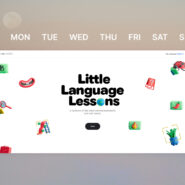
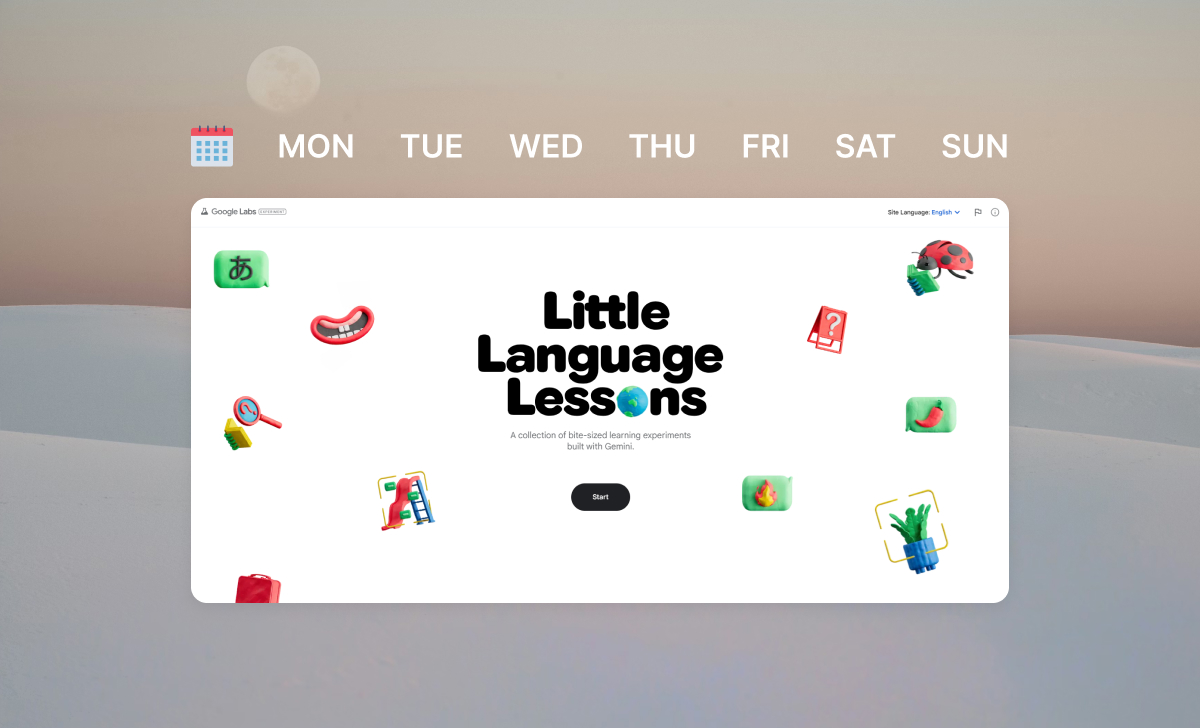

So far, in Part 1 and Part 2, you have learned how to use Little Language Lessons and explored its three main features: Tiny Lesson, Slang Hang, and Word Cam.
Read part 1: https://englinker.com/little-language-lessons-guide-part-1/
Read part 2: https://englinker.com/little-language-lessons-guide-part-2/
By learning how to use these tools effectively, you have already taken an important step in your English learning journey. However, knowing how to use a tool is only part of the process – the real progress comes from consistent and structured practice.
In this final part of the guide, we will help you build a simple and effective English learning plan so you can continue improving your vocabulary, speaking, and confidence with Little Language Lessons.

Choose the Best Little Language Lessons Learning Plan for Your Schedule
One of the best ways to improve your English is to follow a consistent study routine. However, everyone has a different schedule, learning pace, and available study time.
To help you practice consistently, below are three suggested English learning plans using Little Language Lessons based on how much time you want to spend each week.
Choose the plan that best fits your routine and adjust it as needed.

1. Easy Plan (Beginner-Friendly English Learning Routine)
This plan is perfect for beginners or busy learners who want to build a simple and sustainable habit.
| Day | Activity | Study Steps |
|---|---|---|
| Monday | Tiny Lesson | Choose one real-life situation. Learn 2 new words and 1 useful phrase. Read the example sentences aloud 3 times. |
| Wednesday | Slang Hang | Generate one conversation. Identify 2 slang expressions. Read the dialogue aloud and repeat each line. |
| Friday | Word Cam | Take a photo of objects around you. Learn 1 object and 2 related words. Listen to the pronunciation and repeat. |
| Sunday | Weekly Review | Review all the words and expressions from the week. Try to say them without looking at your notes. Create 3 example sentences. |
2. Regular Plan (Balanced English Practice Plan)
This plan is ideal for learners who want steady progress with a balanced mix of vocabulary, slang, and speaking practice.
| Day | Activity | Study Steps |
|---|---|---|
| Monday | Tiny Lesson + Slang Hang | Learn 2 vocabulary items from Tiny Lesson and 2 slang expressions from Slang Hang. Practice speaking the dialogue aloud. |
| Wednesday | Word Cam | Take 2 photos (for example: desk and kitchen). Learn 2 objects and 3 related vocabulary words. Practice pronunciation using the speaker tool. |
| Friday | Tiny Lesson + Slang Hang | Generate a new context in Tiny Lesson. Learn 2 useful phrases and 2 slang expressions. Create a short dialogue using them. |
| Sunday | Weekly Review | Review all the vocabulary and slang learned. Write 5 sentences and practice saying them aloud. |
3. Intensive Plan (Fast Progress English Study Plan)
This plan is best for learners who want to improve quickly and can dedicate more time each week.
| Day | Activity | Study Steps |
|---|---|---|
| Monday | All 3 Tools | Tiny Lesson: learn 3 words + 2 phrases. Slang Hang: learn 3 slang expressions. Word Cam: learn 2 objects + related words. Practice saying everything aloud. |
| Tuesday | Review Day | Review Monday’s vocabulary. Write 5 sentences and practice speaking them aloud. |
| Thursday | All 3 Tools | Generate a new Tiny Lesson topic. Learn 3 new words. Use Slang Hang to study 3 slang expressions. Use Word Cam to explore new objects around you. |
| Friday | Review Day | Repeat the dialogues from Slang Hang. Try explaining the meanings of the slang expressions without looking. |
| Sunday | Weekly Practice | Review everything from the week. Create a short conversation using at least 5 new words or expressions. Practice speaking it aloud. |
4. How to Choose the Right Plan
The best plan is not always the most intensive one. Choose the plan that you can follow consistently every week.
Even a simple 10–15 minute English practice routine can lead to significant improvement over time. The key is to stay consistent.
Why Consistency Matters

Many English learners try new tools and learning apps but stop using them after a short time. However, real improvement comes from consistent practice, even if each study session is short.
In fact, short and regular learning sessions are often more effective than long but irregular study sessions.
Practicing for 10–15 minutes every day usually leads to better results than studying for two hours once a week.
This is because regular practice helps strengthen your memory, improve recall, and build speaking confidence over time.
One of the biggest advantages of Little Language Lessons is that it is designed for bite-sized learning. Its short, interactive activities make it perfect for building a daily English learning habit.
How to Study Effectively with Little Language Lessons
To get the best results when learning new vocabulary, slang, and expressions, try to follow this simple process:
- Read the words and expressions carefully
Take time to notice the spelling, pronunciation, and usage. - Understand their meanings
Use the explanations and example sentences to fully understand how the words are used in context. - Read the examples out loud
This helps improve both pronunciation and speaking confidence. - Practice shadowing
Repeat the audio immediately after hearing it. - Imagine real-life situations
Think about where and when you might use these expressions in everyday conversations.
This makes the learning more practical, meaningful, and easier to remember.
Warp-up
After completing all three parts of this guide, How to Use Little Language Lessons to Practice English for Free, you now have a clear understanding of how to use Little Language Lessons to support your English learning journey.
You have learned how to:
- generate contextual vocabulary and useful phrases with Tiny Lesson
- understand natural conversations, slang, and idioms with Slang Hang
- learn vocabulary from your real-life environment using Word Cam
More importantly, you now have a simple and practical learning plan to help you practice consistently and turn these tools into a daily English habit.
With regular practice and the right learning routine, you can continue building your vocabulary, speaking confidence, and real-world communication skills in a practical and engaging way.
Keep practicing, stay curious, and enjoy your English learning journey.
Read part 1: https://englinker.com/little-language-lessons-guide-part-1/
Read part 2: https://englinker.com/little-language-lessons-guide-part-2/